What Is My Home Worth in London Ontario?
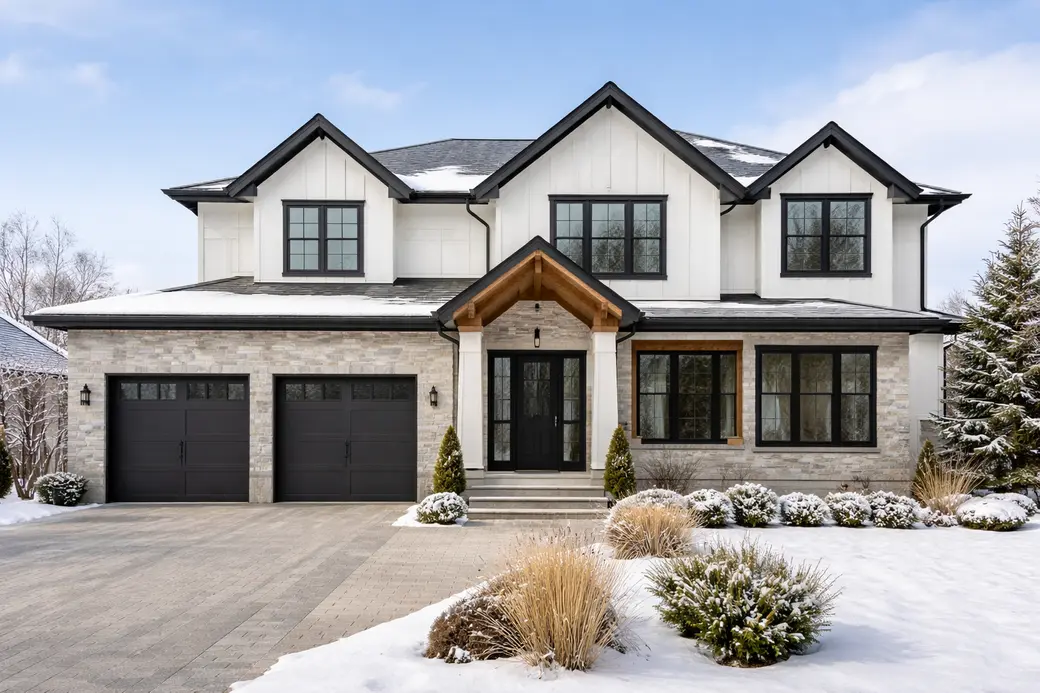
What Is My Home Worth in London Ontario?
It's the most common question sellers ask — and the most commonly misunderstood. Here's a clear breakdown of how your home's value is actually determined, what drives prices in London Ontario, and how to get a number you can actually rely on.
Why the Number You Have in Mind Is Probably Wrong
Most sellers come in with a number already — a neighbour's sale price from six months ago, a Zestimate they checked last week, or a figure they've been mentally anchoring to for years. None of those is what your home is worth today.
Home values in London Ontario change quarter to quarter. They vary street by street. A semi-detached on a Masonville crescent and a detached on a Sunningdale court are priced in entirely different buyer pools, even if they sold for similar figures two years ago. The market doesn't care what you paid, what you spent on renovations, or what your neighbour got in 2022.
What it cares about is what a ready, willing, and able buyer will pay for your home today — given what else is available to them right now.
How Home Values Are Actually Determined in London Ontario
When an agent runs a Comparative Market Analysis (CMA), they're looking at three categories of recent sales data:
- Comparable sold properties — homes similar to yours that sold in the last 60–90 days, within roughly a kilometre. These are your benchmark.
- Active listings — what buyers can choose between right now. If ten similar homes are for sale in your area, your price has to compete with all of them.
- Expired and withdrawn listings — homes that sat on the market and didn't sell. These tell you where the ceiling is and where pricing goes wrong.
From there, adjustments are made for differences between your home and the comparables — square footage, lot size, finishes, garage, basement, and condition. A $15,000 upward adjustment for a finished basement. A $10,000 downward adjustment because your comparables have a two-car garage and yours doesn't. These adjustments aren't guesswork — they're based on what buyers have consistently paid (or not paid) for those features in your specific area.
What Affects Your Home's Value Most in London Ontario
Not all factors are created equal. These are the ones that move the needle most in the London market:
- Location within London: North London neighbourhoods like Masonville and Sunningdale consistently attract a different buyer profile and price range than South or East London. Where you sit within a neighbourhood matters too — a backing lot, school proximity, and street traffic all affect value.
- Finished square footage: Buyers pay for liveable space. An unfinished basement reduces your effective square footage significantly. A well-finished lower level adds real, measurable value.
- Condition and presentation: London buyers are practical. A home that shows clean, updated, and well-maintained commands a premium over one that needs work — even if the structural bones are identical. Staging, decluttering, and fresh paint return more per dollar than most renovations.
- Recent sales timing: A sale from 14 months ago may not be useful at all if the market shifted. In London Ontario, we've seen meaningful swings within six-month periods. Recency matters.
- Days on market: Homes priced right sell quickly. Homes that sit get discounted. A home with 60+ days on market almost always sells for less than its list price — and often less than it would have gotten with a sharper initial price.
What's My Home Worth in Masonville and Sunningdale?
North London is its own market within London Ontario. Masonville attracts buyers who want proximity to Western University, University Hospital, and Masonville Place — it's a high-demand area with relatively low turnover. Sunningdale draws move-up buyers looking for newer construction, larger lots, and access to top-rated schools like Sir Frederick Banting Secondary.
General price ranges as of early 2026 (updated regularly): Detached homes in Masonville typically range from the mid-$600s to $900s+ depending on size, lot, and finish level. Sunningdale detached homes generally range from the high $700s to over $1M for larger or newer builds. These are market ranges — your specific home may be above or below based on condition, features, and timing. A proper CMA is the only way to know your accurate number.
These neighbourhoods also tend to attract more qualified buyers — which affects how you price, how you present, and how you negotiate. A Sunningdale seller needs a different strategy than a seller in East London. Same city, different playbook.
Why Online Estimates Like Zestimates Are Often Unreliable in London Ontario
Automated valuation tools like Zestimate or HouseSigma are trained on publicly available sales data. In major markets with thousands of transactions, they can be reasonably close. In London Ontario — a mid-size city with more variation between neighbourhoods — they regularly miss by 8–15% in either direction.
That gap is material. On a $750,000 home, 10% is $75,000. An overestimate leads sellers to price too high, sit on the market, and ultimately sell for less. An underestimate means leaving real money on the table. Neither outcome is acceptable when you're making a decision this size.
Online tools also don't account for what's happening right now in your specific micro-market — recent competing listings, a shift in buyer demand, or a run of strong sales that haven't hit the public data yet.
How to Get an Accurate Home Value in London Ontario
A free home evaluation from a local agent is the right starting point. A proper CMA takes 20–30 minutes on site and gives you a defensible, data-backed number tied to real recent sales — not an algorithm.
When you sit down with Eric for an evaluation, here's what actually happens:
- A walkthrough of your home to document condition, features, and anything that affects value
- A pull of the last 90 days of comparable sales in your specific area
- Adjustments made for the real differences between your home and those comparables
- A recommended list price range — not just a number, but a range with a rationale
- A frank conversation about timing, market conditions, and what to expect
There's no obligation attached to an evaluation. A lot of sellers just want to know where they stand before they decide anything. That's a reasonable thing to want — and it's worth knowing before you commit to a direction.
If you've been wondering whether now is the right time to sell, here's an overview of how we approach selling in London Ontario and what the process looks like from start to finish.
Frequently Asked Questions About Home Value in London Ontario
How long does it take to get a home evaluation in London Ontario?
A proper in-person home evaluation typically takes 20–30 minutes. Eric will walk through the property, note condition and features, and follow up with a written Comparative Market Analysis based on recent sales in your neighbourhood. Most sellers receive their evaluation within 24–48 hours of the walkthrough. You can request a free home evaluation here.
Does renovating my home increase its value in London Ontario?
It depends on the renovation. Kitchens, bathrooms, and finished basements tend to return the most value relative to cost. Cosmetic updates — fresh paint, new flooring, updated fixtures — return well because they directly affect how buyers perceive the home. Large structural projects or highly personalized upgrades often return less than their cost. The most important factor is condition: a clean, well-maintained home will always outperform a comparable that looks tired, regardless of renovation history.
How accurate are online home value estimates for London Ontario homes?
Online tools like Zestimate and HouseSigma commonly miss by 8–15% in either direction for London Ontario homes. They rely on delayed public data and can't account for neighbourhood-level nuances or current inventory. For any decision involving your home, a local CMA from an agent with recent sales experience in your area is the only number worth relying on.
What is a Comparative Market Analysis (CMA) and how is it different from an appraisal?
A CMA is an agent's assessment of your home's market value based on recent comparable sales, current competing listings, and property-specific adjustments. It's provided free by real estate agents and used to determine a competitive list price. A formal appraisal is a legally recognized valuation performed by a licensed appraiser — typically required by lenders. CMAs are faster, free, and focused on what your home will sell for in the current market.
Is now a good time to sell my home in London Ontario?
Timing depends on your neighbourhood, your specific home, and your personal situation — not just the overall market. North London areas like Masonville and Sunningdale have maintained strong buyer demand. The best way to assess your timing is to get a current CMA and understand what inventory looks like in your specific area right now. Book a free evaluation and Eric will give you an honest read on conditions for your home specifically.
Written by Eric Cassidy
London Ontario Real Estate Agent & Co-founder, Cassidy & Co. Real Estate
Eric has lived across nine London Ontario neighbourhoods — including Byron, Oakridge, Masonville, and Sunningdale — and has been selling homes in the London market for over a decade. 75+ homes sold. $50M+ in volume. 5.0 Google rating.
About Eric & the team →
Categories
Recent Posts